
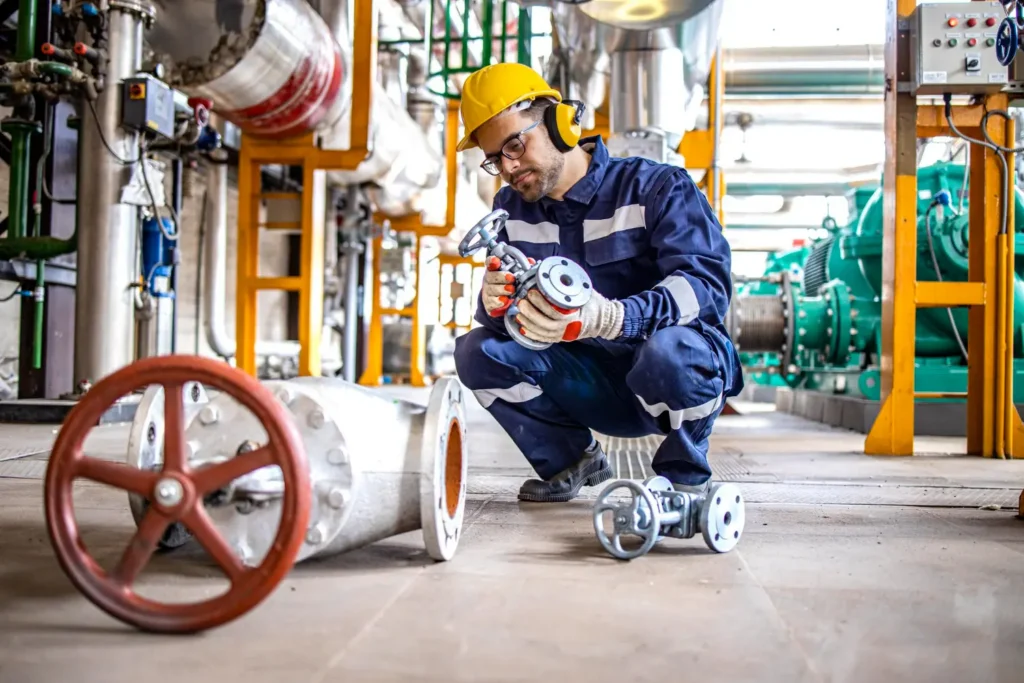
Most conversations about real-time asset tracking start with efficiency. Reduce search time. Improve utilization. Avoid unnecessary procurement. Those are legitimate and measurable returns, and they matter in any industrial environment.
But in hazardous areas, the conversation starts somewhere different. When a tool is unaccounted for in a classified zone, when a gas detector cannot be located before a confined space entry, or when a pressure vessel moves without a chain-of-custody record, the consequences extend well beyond operational friction. They touch safety, regulatory compliance, and in serious cases, the integrity of the entire operation.
The Litum ATEX Family, comprising the ATEX Gateway and ATEX Dualis Tag, brings intrinsically safe RTLS asset tracking capability into classified hazardous zones, including Zone 1 ATEX environments where explosive conditions may occur during normal operations.
Here is what real-time asset visibility looks like across the categories that matter most.
1. Tool and Equipment Accountability in Classified Zones
In hazardous environments, tools and portable equipment are not just productivity assets. They can become safety and compliance concerns if the wrong type of equipment enters the wrong zone, or if approved ATEX equipment is left unaccounted for after a job. Standard industrial tools are often not suitable for classified zones, and even approved equipment left behind after a maintenance task can raise immediate safety and compliance questions. Where is it? Who left it? Is it still fit for purpose? Refer to HSE guidance on ATEX regulations for the legal requirements governing equipment in these environments.
Traditional tool accountability in these environments relies heavily on manual check-out logs, end-of-shift audits, and individual discipline. These processes have no real-time component. If something is missing, the discovery typically comes too late to act on quickly.
With the ATEX Dualis Tag attached to tools and portable equipment, and the ATEX Gateway providing the infrastructure backbone across classified zones, organizations gain a continuous real-time picture of where tagged items are, which zone they are in, and how long they have been there. This is equipment tracking built for the hardest version of the problem. When equipment remains in a classified area beyond its expected dwell time, the system can flag it automatically rather than waiting for the next manual audit.
2. Portable Gas Detector and Safety Equipment Tracking
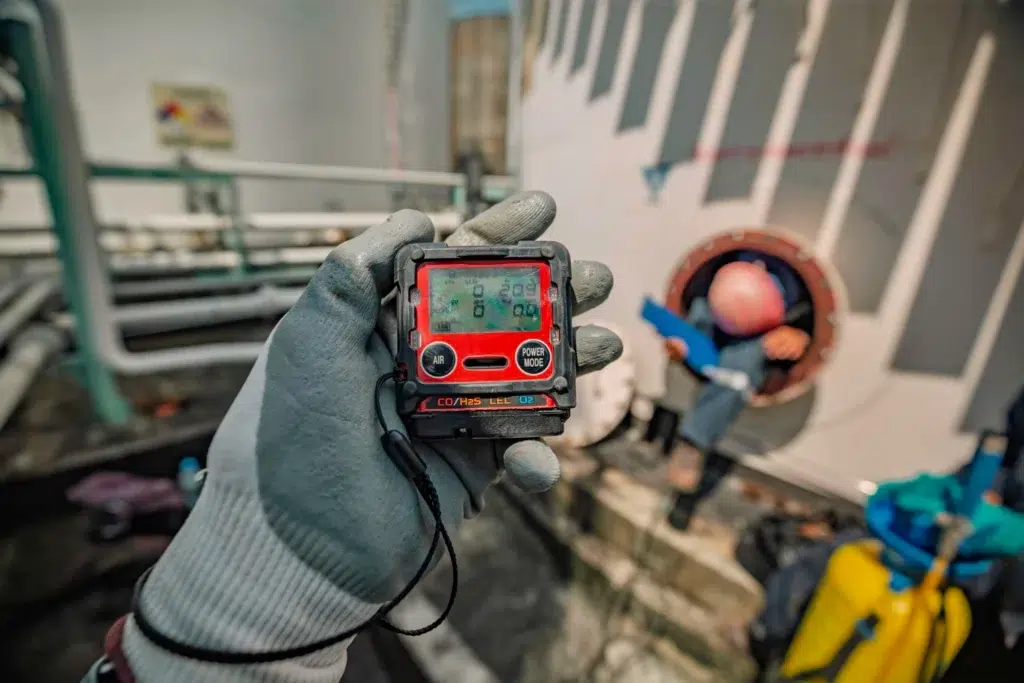
Portable gas detectors, breathing apparatus, fall arrest systems, and similar safety equipment occupy a different category from standard operational assets. They are a condition of safe work. A gas detector that cannot be located before a confined space entry is not a missing asset problem. It can be a barrier to work proceeding safely.
These assets also carry calibration and inspection requirements that create their own documentation obligations. Knowing where a portable gas detector is located matters. Knowing that it is available, assigned, and accessible when needed is the fuller picture. Real-time location data supports that by showing where safety equipment is at any given moment, which zones it has moved through, and whether it is where it is supposed to be before a job begins.
The ATEX Family gives organizations continuous visibility into safety-critical equipment across hazardous zones, providing an auditable location record that supports both day-to-day readiness and the compliance documentation that regulated industries require. For lone workers in isolated zones, this visibility connects directly to broader lone worker safety protocols, where knowing a gas detector is with the worker is as important as knowing where the worker is.
3. Mobile Equipment Tracking in Hazardous Zones
Mobile elevating work platforms, cherry pickers, portable machinery, and other specialist equipment operating in or near classified zones create coordination and safety challenges that go beyond standard equipment management. These assets move through shared spaces, interact with personnel, and in classified environments, their presence in specific areas may carry its own compliance implications.
From a safety and operations perspective, knowing where mobile equipment is at any given moment supports coordination, zone compliance, and emergency response. If a piece of equipment is unaccounted for during an evacuation, or if it has entered a restricted area without authorization, the ability to identify and act on that in real time changes the outcome.
With real-time location visibility through the Litum ATEX Family, organizations can monitor the movement of mobile equipment across classified zones, configure alerts for unauthorized zone entry, and maintain a continuous location record that supports both operational coordination and post-incident review. In oil and gas specifically, see how this played out in a real deployment in Litum’s oil and gas RTLS turnaround case study.
4. Returnable and Serialized Asset Management
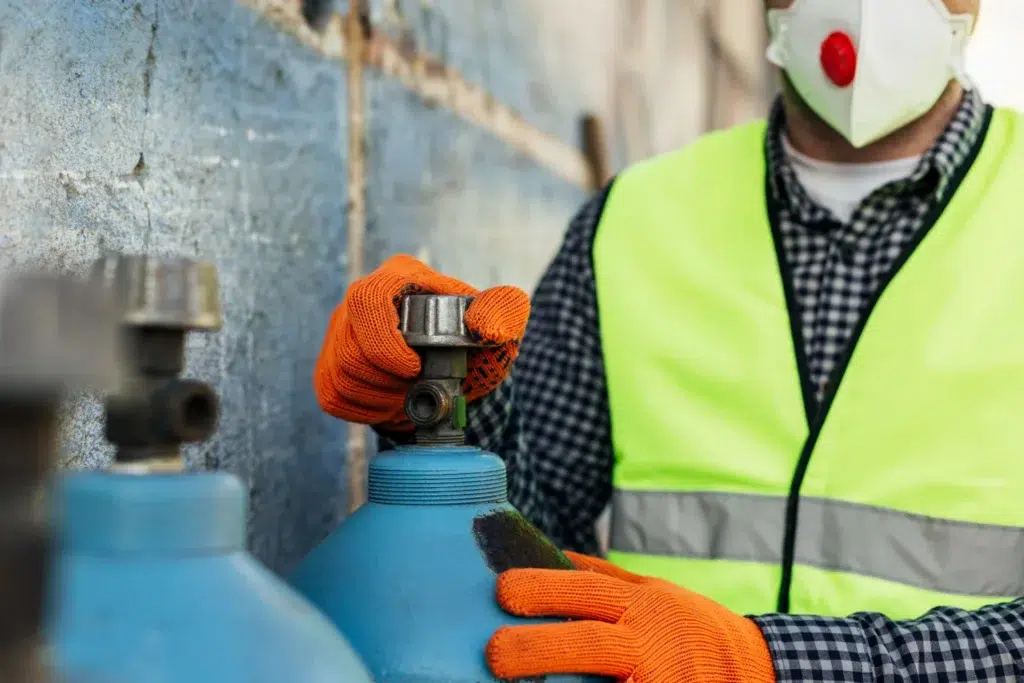
Pressure vessels, gas cylinders, specialist tooling, and other serialized assets that move between zones, facilities, or external parties carry documentation and compliance requirements that standard inventory systems are not designed to meet in real time. These are not just high-value items. They are assets where the movement history, including which zones they passed through, when, and for how long, is part of the compliance record.
Manual tracking of serialized assets in hazardous environments produces records that are often incomplete, delayed, or dependent on individual follow-through. When an asset crosses a zone boundary, a paper log may capture that event hours later. When it leaves with a contractor, the record may not exist at all.
Real-time location tracking with the ATEX Family creates an automated, continuous movement record for every tagged serialized asset. Zone crossings are logged as they happen. Dwell times are recorded without manual input. This replaces the need for IEC 60079-compliant manual documentation processes with an automatic audit trail. When an asset moves outside its expected location or enters a restricted area, the system generates an alert rather than surfacing the discrepancy at the next scheduled audit.
5. Maintenance and Inspection Asset Readiness
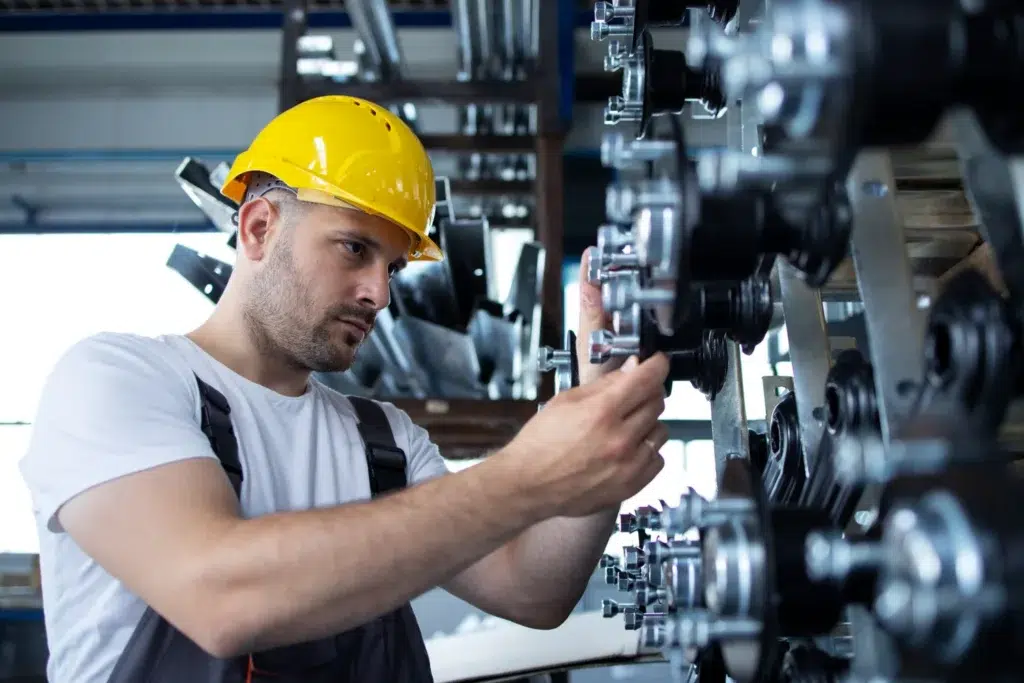
Planned maintenance windows in hazardous facilities are expensive, tightly scheduled, and sensitive to delays. A shutdown that runs long because a specialist instrument was left in the wrong area after the previous job, or because the right torque wrench could not be located before work began, represents a cost that compounds quickly across large operations.
Asset readiness before a maintenance window is a known and recurring problem. In hazardous areas, the challenge is compounded by zone entry requirements, permit processes, and safety checks that mean the cost of discovering a missing asset after work has started is significantly higher than in a standard environment.
With real-time location visibility through the Litum ATEX Family, maintenance planners can verify where assets are before a window opens rather than after it has already been delayed. Tagged equipment can be tracked to its last known position, staged correctly ahead of the job, and monitored throughout the maintenance period to confirm it returns to its designated location when the work is complete. This is industrial asset tracking working as infrastructure, not as an afterthought.
Asset Accountability Where It Matters Most
Asset tracking in standard industrial environments is increasingly well-served. The gap has always been in classified zones, where the same operational and safety needs exist but where the hardware to address them safely has been limited.
The Litum ATEX Family is built specifically for those environments. If your organization manages assets in hazardous zones and you are looking to bring the same level of real-time visibility available elsewhere in your facility into your most demanding areas, explore Litum’s connected worker safety platform or learn more about how emergency mustering integrates with the same infrastructure.
Frequently Asked Questions
Q1: What is asset tracking in hazardous areas?
Asset tracking in hazardous areas uses intrinsically safe RTLS hardware, such as ATEX-certified tags and gateways, to monitor the real-time location of tools, equipment, and safety devices across classified zones including Zone 1 ATEX and Zone 2 environments where explosive atmospheres may be present.
Q2: How does RTLS track assets in ATEX-classified zones?
ATEX-certified tags are attached to assets and communicate with ATEX Gateway infrastructure installed across classified zones. The system continuously updates each asset’s position on a live map, logs zone crossings, and generates automatic alerts when equipment enters restricted areas or exceeds permitted dwell times.
Q3: Can portable gas detectors be tracked with RTLS?
Yes. ATEX-certified RTLS tags can be attached to portable gas detectors and other safety-critical equipment, giving operations teams a real-time view of where these assets are, which zones they have moved through, and whether they are available and in the right location before a job begins.
Q4: What is the difference between tool tracking and real-time asset tracking in hazardous environments?
Traditional tool tracking relies on manual check-out logs and end-of-shift audits with no real-time component. Real-time asset tracking with RTLS gives a continuous, live view of where every tagged tool is, which zone it is in, and how long it has been there, without waiting for the next manual audit.
Q5: Why does chain-of-custody tracking matter for serialized assets in hazardous facilities?
Serialized assets such as pressure vessels and gas cylinders must have a documented movement history, including which zones they passed through, when, and for how long, as part of the compliance record. RTLS creates this record automatically as assets move, rather than relying on manual logs that are often incomplete or delayed.
Q6: Which industries benefit most from RTLS asset tracking in hazardous zones?
Oil and gas, petrochemical, pharmaceutical, mining, and heavy industrial facilities with classified ATEX or NEC-rated areas benefit most. Any facility where zone compliance, safety equipment accountability, or serialized asset chain of custody is a regulatory requirement is a strong fit for hazardous area RTLS asset tracking.