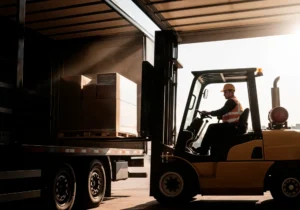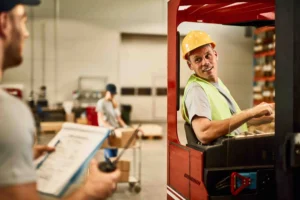


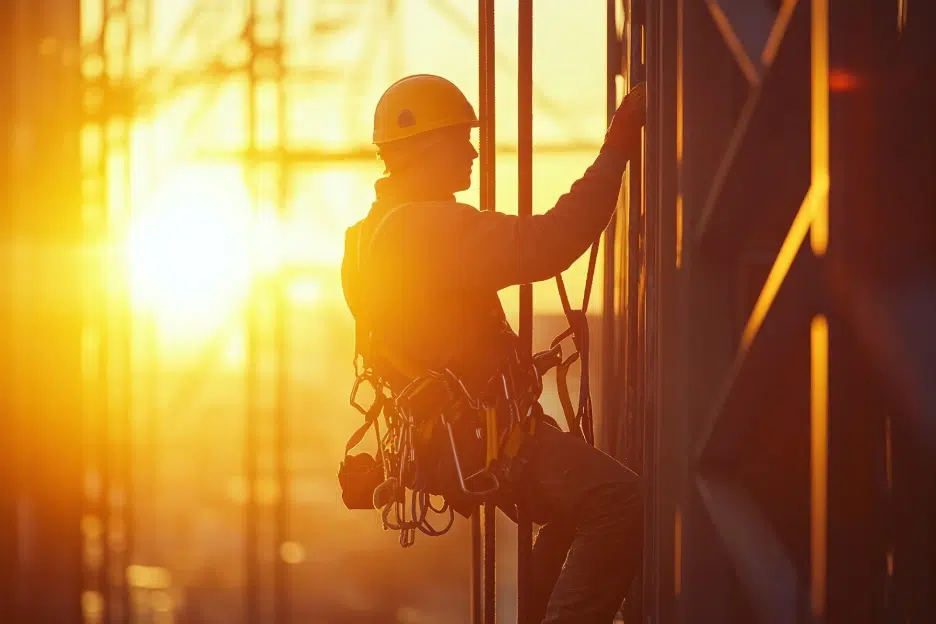
Lone workers operate across some of the most demanding environments in industry , remote sections of manufacturing plants, confined spaces, overnight maintenance shifts, construction sites, and hazardous zones where direct supervision is not possible. Ensuring lone worker safety in these environments requires more than procedures and training. It requires systems that can detect when something has gone wrong and trigger a response before the situation becomes critical. This guide covers what makes lone working dangerous, what regulations require, which lone worker safety devices address these risks, and how real-time UWB location technology fits into a complete protection strategy.
What Makes Working Alone Dangerous?
Working alone safely starts with understanding why isolation increases risk. A lone worker is any employee who performs their duties without direct supervision, in conditions where help may not be immediately available if something goes wrong. The risk is not working alone itself , it is what happens when an incident occurs and no one is nearby to respond.
Manual monitoring cannot close this gap. Checking on lone workers manually is time-consuming, dependent on consistent human action, and does not scale across large facilities or remote sites. It cannot detect immobility in a confined space or alert on unauthorized zone entry in real time.
The National Safety Council found that nearly 70% of organizations experienced a safety incident involving a lone worker between 2018 and 2021. The environments that create the highest risk include night shift maintenance in manufacturing plants, confined space entry, oil and gas field operations, underground construction, and healthcare workers conducting visits in isolated settings. In each of these situations, safety for lone workers depends on the gap between an incident occurring and help arriving , and that gap is the variable that determines the outcome.
Lone Worker Safety Regulations: What OSHA Requires
Regulatory obligations vary by jurisdiction, but the direction is consistent: employers have a duty of care to assess lone working risks, implement controls, and ensure workers have a reliable means of raising an alarm.
In the United States, OSHA working alone requirements are addressed through the General Duty Clause, which obligates employers to provide a workplace free from recognized hazards. Courts have interpreted this to include environments where workers operate without supervision or readily available assistance. Specific OSHA lone worker standards apply to high-risk activities , confined space entry regulations (29 CFR 1910.146) mandate attendants, communication protocols, and emergency retrieval systems. Fall protection, hazard communication, and emergency response planning standards all carry implications for lone working environments.
A documented lone worker policy is foundational to meeting these obligations. An effective lone worker policy addresses which roles and tasks qualify as lone working, which zones require monitoring or permit-controlled access, check-in intervals and escalation procedures, technology requirements for each risk level, and how incidents are investigated and documented. Compliance is the baseline. Organizations managing high-risk environments increasingly move beyond minimum requirements to implement real-time monitoring that actively detects and responds to incidents.
Lone Worker Safety Devices and Technologies
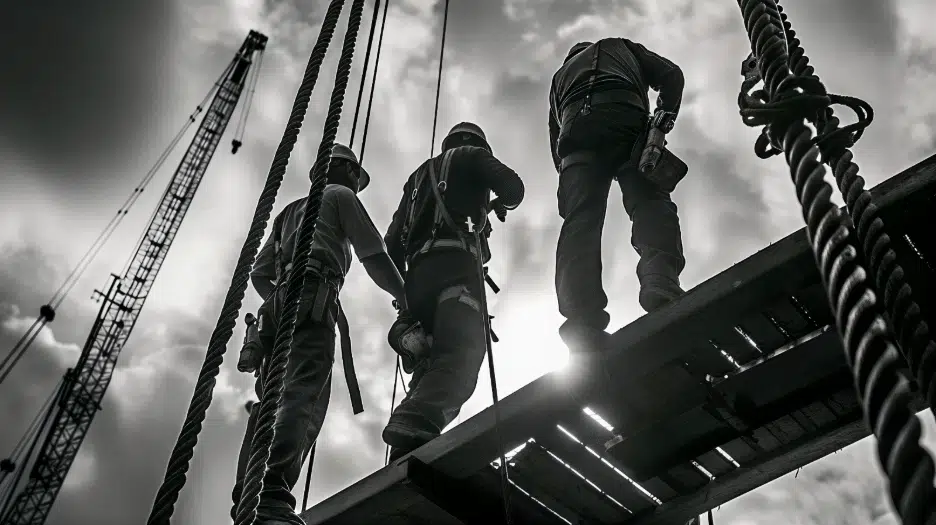
Traditional tools , periodic phone check-ins, manual logs, simple GPS devices , share a common limitation: they depend on the worker taking action. If the worker is incapacitated, the system produces no signal.
Effective lone worker safety devices address this by combining wearable tags with sensor-based detection and automated alerting. A complete working alone safety system should provide the following capabilities:
Panic Button and Duress Alerting
The worker presses a button to signal distress. The alert is sent immediately to safety personnel along with the worker’s precise location.
Free Fall Detection
Motion sensors in the lone worker safety device detect the signature of a free fall and trigger an alert automatically , critical for scenarios where the worker is unconscious or unable to press a button after impact.
Immobility Detection
If a worker remains stationary beyond a defined threshold, the system generates an alert. This covers medical events, entrapment, and scenarios where a fall has not occurred but the worker is no longer moving.
Zone-Based Access Control and Geofencing
Restricted and hazardous zones are defined within the platform. When a lone worker enters an unauthorized area, the system alerts both the worker and the safety team in real time. Entry and duration are logged automatically for compliance.
Scheduled Check-Ins
Workers confirm their status at defined intervals. If a check-in is missed, the system escalates without requiring a supervisor to remember to follow up.
Real-Time Safety Dashboard
Safety managers maintain continuous visibility over every lone worker’s location, status, and active alerts across the facility.
Building a Lone Worker Safety Policy
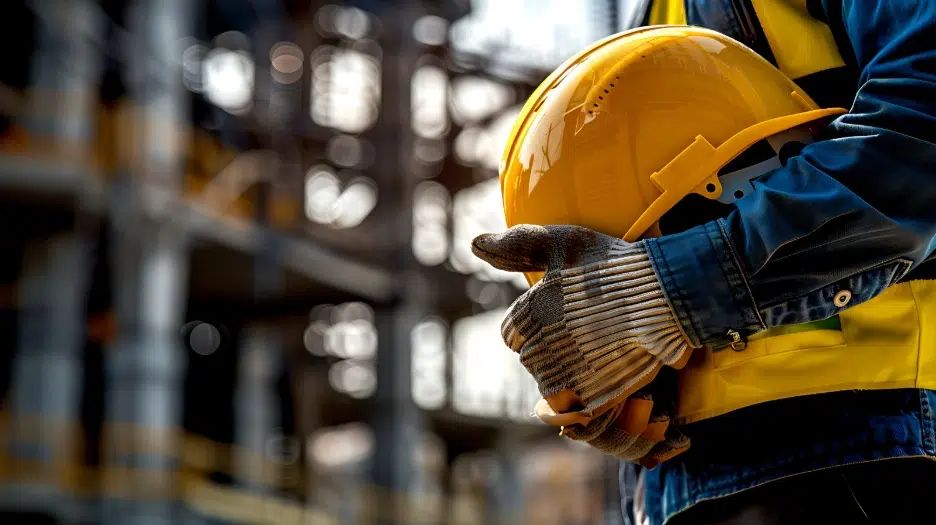
A lone worker safety policy defines how the organization identifies lone working conditions, what controls apply to each risk level, and how incidents are detected, escalated, and documented. Health and safety for lone workers depends on this policy being operational, not just documented.
An effective policy begins with a risk assessment: which roles, tasks, and facility zones create lone working conditions? For each, the policy should specify monitoring requirements, the escalation path when a worker does not respond, and the responsibilities of supervisors and safety personnel.
Facility zones should be classified explicitly , free zones, monitored zones, restricted zones, hazardous zones , with corresponding rules for each. RTLS-based platforms allow these definitions to be configured digitally and enforced automatically. When a worker crosses into a hazardous zone, the system responds without waiting for a supervisor to notice.
Policies should also address how data generated by lone worker safety systems is reviewed. How frequently are reports analyzed? How is incident data used to adjust safety planning? Organizations that use location data to identify recurring risks and high-alert zones build a proactive program, not just a reactive one.
How UWB RTLS Improves Lone Worker Protection
GPS does not work reliably indoors. BLE and Wi-Fi-based tracking provide proximity-level data, not precise positioning. Lone worker safety solutions built on UWB RTLS deliver sub-meter indoor location accuracy , the level of precision needed to direct responders to a specific location within a large facility, not just a general area.
Litum’s lone worker safety solution combines UWB RTLS with BLE support for broader coverage scenarios. Wearable tags communicate with fixed anchors and gateways installed across the facility. Litum’s software platform processes location data continuously, applies configured business rules, and triggers alerts when conditions are met , without waiting for the worker to act.
In a practical deployment: a lone worker enters a restricted maintenance zone. The moment they cross the geofence, a vibration alert activates on their tag, and a notification appears on the safety dashboard. If the entry is unauthorized, a supervisor responds immediately. If authorized, the system logs entry time and duration for compliance reporting. If the same worker falls while in that zone, the free fall detection in the Litum Compact Tag or Badge Tag identifies the motion signature and triggers an alert automatically , before the worker could press a button, and regardless of whether they are physically able to.
Lone Worker Safety Solutions: What to Look For
When evaluating lone worker safety solutions, the criteria that matter most are whether the system can detect and respond to an incident when the worker cannot act, and whether it holds up in real industrial environments.
Location Accuracy
Proximity-level tracking is not sufficient for emergency response. Sub-meter UWB positioning allows responders to be directed to a specific location within a large facility, not just a floor or zone.
Automated Detection Without Worker Action
Free fall detection and immobility detection are non-negotiable for high-risk environments. A lone worker safety system that relies solely on a panic button will fail in exactly the scenarios where protection matters most.
Hardware Built for Industrial Conditions
Relevant specifications include IP67 ingress protection, backup battery operation during power outages, and mesh network architectures for underground or low-connectivity sites.
Software Depth
Real-time dashboards, heat maps, movement diagrams, and historical reporting allow safety teams to monitor active incidents and analyze patterns over time. Integration with tools like Tableau, Power BI, and existing HR or access control systems extends the value of location data beyond immediate safety monitoring.
Auditable Documentation
Every location event, zone entry, alert trigger, and response action should be time-stamped and stored , supporting incident investigation, regulatory reporting, and insurance documentation.
Proven Deployment in Comparable Environments
Litum’s results across industrial deployments include a 75% reduction in manual administrative workload at a 1,200-employee US organization, identification of $300K in production losses during the first week of a Fortune 10 oil and gas turnaround, and measurable reductions in accidents and response times at construction and tunnel projects across multiple continents.
Lone Worker Safety Training: Bridging the Human and Technology Gap
Lone worker safety training ensures that workers understand how to use the devices issued to them, how to trigger a manual alert, and what check-in procedures apply to their role. Technology that workers do not know how to operate does not protect them.
Effective training programs cover device operation, check-in protocols, zone classification and what each zone means for the worker, and how to interpret vibration or audio alerts from their tag. Supervisors should be trained separately on how to respond to alerts, use the safety dashboard, and initiate an emergency response procedure.
Training should be updated when new zones are added, when devices are upgraded, or when incident reviews identify procedural gaps. Litum’s platform supports lone worker safety training by logging all location events, allowing organizations to replay incidents, identify where procedures were not followed, and refine training content accordingly.
Frequently Asked Questions About Lone Worker Safety
What is a lone worker?
A lone worker is any employee who performs their duties without direct supervision, in an environment where assistance may not be immediately available if they are injured or become ill. This includes workers in isolated areas of a facility, remote field locations, after-hours shifts, and confined spaces.
Why is working alone a significant safety risk?
The risk in lone working environments is the delay in response. A fall or medical event that would be manageable with immediate assistance can become life-threatening if it goes undetected. Real-time monitoring with automated alerting removes the dependency on the worker to self-report and closes the gap between an incident and a response.
What do OSHA lone worker regulations require?
OSHA does not have a single standalone lone worker standard, but the General Duty Clause requires employers to address recognized hazards, including those associated with working alone. Standards for confined space entry, fall protection, and hazard communication all carry specific implications for lone working environments.
What should a lone worker safety policy include?
A lone worker safety policy should define which roles and activities qualify as lone working, specify monitoring and communication requirements for each risk level, document escalation procedures, assign supervisor responsibilities, and establish how incident data is reviewed and used to improve safety planning.
What lone worker safety devices are available?
Effective wearable devices combine panic buttons, fall detection, and immobility sensors with fixed infrastructure that calculates precise indoor location. UWB-based lone worker safety devices provide sub-meter accuracy in complex indoor environments where GPS is unavailable. Devices vary in form factor , badge tags, compact wearables, and clip-on units , to suit different industrial and healthcare environments.
What is the difference between a lone worker safety solution and a simple GPS tracker?
A GPS tracker logs location. A lone worker safety solution detects incidents, triggers automated alerts, and directs a response , without relying on the worker to take action. GPS also does not function indoors, which is where the majority of industrial lone working occurs. UWB RTLS fills this gap with sub-meter indoor positioning.
How does lone worker safety training improve outcomes?
Lone worker safety training ensures workers know how to operate devices, follow check-in procedures, and respond to alerts correctly. Without training, even well-designed systems underperform. Supervisor training on the safety dashboard and emergency response procedures is equally important , the system detects the incident, but humans must respond.
What lone worker safety systems work for underground or low-connectivity environments?
Standard Wi-Fi or cellular-dependent systems fail in underground or RF-shadowed environments. Lone worker safety systems designed for these conditions use mesh network architectures, low-signal detection alerts, and backup battery operation to maintain coverage even when primary connectivity is lost. Litum’s platform includes low-signal detection that triggers an alert whenever a tag goes dark, ensuring no worker becomes unmonitored.
Are there lone worker safety solutions built for healthcare?
Yes. Healthcare environments , including hospitals, clinics, and home visit settings , present distinct lone worker risks, particularly for staff duress and staff-patient incidents. RTLS-based lone worker safety solutions for healthcare combine staff duress alerting with precise indoor location, allowing security teams to respond to the exact room or area within seconds.
Safety for lone workers depends on more than documented procedures. It depends on systems that detect incidents when they occur and direct a response before the situation becomes critical. Litum’s RTLS platform provides the location accuracy, automated alerting, and auditable documentation needed to protect workers in the environments where risk is highest. Deployed across 50+ countries and trusted by Fortune 500 manufacturers and major infrastructure operators, the platform is built for the demands of real industrial environments.