


Industrial operations are becoming more complex. Workforce shortages, rising safety demands, and the pressure to improve operational efficiency are forcing organizations to rethink how they support frontline workers.
Litum’s Connected Worker Platform addresses this shift by equipping frontline teams with digital tools, real-time visibility and safety systems that respond to their environment. This guide covers what a connected worker is, what connected worker solutions do, and how RTLS technology makes it all work.
What Is a Connected Worker?
A connected worker is a frontline employee equipped with digital tools, wearables, and connected worker technology to perform their job more safely, efficiently, and with better access to real time information. Connected workers are linked to the systems, people, and data around them through mobile devices, IoT devices, and a connected worker platform.
The concept applies across manufacturing, logistics, construction, oil and gas, healthcare, and any industry where frontline workers are the core of operations. Millennials and Gen Z expect connected workplaces and organizations that provide this environment attract and retain better talent.
A connected worker is different from a desk worker in one key way: their work happens on the floor, in the field, or in industrial spaces where traditional software and office tools do not reach. Connected worker platforms are built specifically for this environment.
Connected Worker vs. Traditional Frontline Worker
A traditional frontline worker relies on paper based work instructions, verbal communication, manual processes, and scheduled supervision. A connected worker has access to digital work instructions, real time alerts, and communication tools that connect them to supervisors, engineers, and maintenance teams without leaving their station or work area.
What Is a Connected Worker Platform?
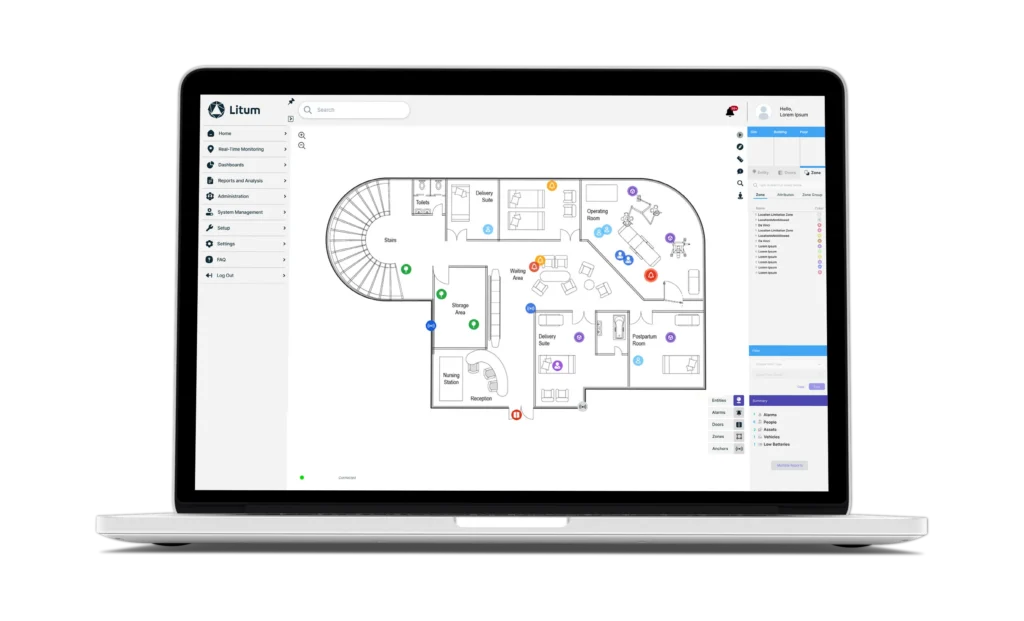
A connected worker platform is the software and hardware infrastructure that connects frontline workers to digital workflows, safety systems, and operational data. It brings together location tracking, communication tools, digital work instructions, task management, and analytics in one connected workforce management system.
Connected worker platforms are designed for the nature of work in industrial operations mobile, often hazardous, and dependent on real time situational awareness. According to LNS Research, connected frontline worker applications are among the fastest growing technology investments in industrial transformation.
Worker Platforms: Core Capabilities
A connected worker platform typically includes:
- Real time location tracking for workers across the facility
- Digital work instructions and task management delivered to mobile devices
- Safety alerts, duress notification, and lone worker monitoring
- Communication tools linking frontline workers to supervisors and maintenance teams
- Maintenance workflows including work order management and equipment data
- Analytics and dashboards showing worker activity, efficiency, and operational performance
The right platform integrates with existing systems ERP, SCADA, CMMS to create a connected digital ecosystem for the entire workforce.

Why Connected Worker Programs Matter Now
Workforce Challenges Driving Adoption
Three converging challenges are making connected worker solutions a priority for industrial operations leaders:
Workforce shortages and skills gaps. Deloitte’s 2025 Manufacturing Industry Outlook identifies workforce development and retention as critical priorities for manufacturing. Supply chain executives view worker recruiting and retention as their greatest challenge after inflation. Connected worker technology helps organizations do more with existing teams by reducing knowledge gaps and supporting new employees in complex tasks.
Low workforce engagement. Only a minority of employees are engaged at work, the lowest the number has been since 2014. Frontline workers in manufacturing and industrial environments are particularly affected. Connected worker platforms that give workers real time visibility, digital tools, and clear work instructions improve engagement and job performance.
Safety demands. OSHA and industry safety standards continue to evolve. Frontline workers in industrial sites face real risks from lone worker exposure to forklift hazards to chemical environments. Connected worker solutions that include safety monitoring, alerts, and emergency response capabilities are becoming a baseline expectation, not a premium feature.
The Business Case: Connected Worker ROI
Of manufacturers report Connected Frontline Worker initiatives have improved operational performance. And one study found that organizations investing in connected worker technology report measurable gains in productivity, maintenance efficiency, and worker retention. Frost and Sullivan predicted increased investment in connected worker tech, driving 31.1% annual growth in the connected worker sector.
Key Connected Worker Solutions and Use Cases
Worker Safety Monitoring
Connected worker safety systems monitor where workers are, detect emergencies, and alert response teams in real time. This includes lone worker protection for employees working in isolated areas, duress alerts for workers in high risk environments, man down detection for workers who stop moving unexpectedly, and zone compliance monitoring that alerts supervisors when workers enter restricted areas.
Digital Work Instructions and Maintenance
Digital work instructions replace paper based procedures with interactive, step by step guidance delivered to mobile devices at the point of work. This reduces errors, shortens training time for new employees, and ensures work instructions are always current. For maintenance teams, connected worker platforms support work order management, productive maintenance scheduling, and equipment fault reporting reducing equipment failures and unplanned downtime.
Frontline Teams and Communication Tools
Connected worker platforms improve collaboration between frontline teams and operations leaders by providing shared visibility into work status, task completion, and alerts. Frontline employees can report issues, request support, and receive updated instructions without leaving their work area. Supervisors and engineers get real time operational data to support decisions.
Worker Use Cases Across Industries
Connected worker solutions are deployed across manufacturing, oil and gas, construction, logistics, and healthcare. The worker use cases differ by industry maintenance technicians in manufacturing need different tools than line workers in logistics but the connected worker approach is consistent: give frontline workers the right information, at the right time, in a format built for how they work.
Connected Worker Safety: How RTLS Delivers It
Real Time Worker Location
Each connected worker wears a tag or badge equipped with BLE or UWB technology. The facility’s RTLS infrastructure tracks their position continuously on a live digital map. Operations leaders and safety teams can see where every worker is at any moment across production lines, maintenance areas, and industrial sites.
Lone Worker Protection
Workers in isolated areas are tracked continuously. If a worker stops moving for an unusual period a potential sign of a fall, incapacitation, or emergency the system triggers an automatic alert with their precise location. This lone worker detection capability operates without requiring the worker to press a button, making it effective even when the worker cannot call for help. See Litum’s lone worker safety solution for more detail.
Zone Compliance and Geofencing
Safety zones and restricted areas are defined in the RTLS software. When a worker enters a hazardous zone, approaches restricted machinery, or enters an area without required safety clearance, the system generates a real time alert. This geofencing technology capability supports both worker safety and regulatory compliance documentation.
Emergency Mustering
During an emergency evacuation, the connected worker platform generates a live headcount automatically showing who is at the muster point, who is still inside, and where unaccounted workers were last detected. This replaces manual roll calls with real time accountability. See Litum’s emergency mustering solution for detail on how this works in practice.
Benefits of Connected Worker Platforms
Benefits for Workers
Connected worker technology gives frontline workers tools that make their jobs safer and more productive. Workers receive clear, up to date digital work instructions. They can escalate issues, request maintenance support, and receive real time alerts about hazards in their area. They no longer have to rely on outdated technology or verbal communication for critical information.
Benefits for Operations
For operations leaders and manufacturing supervisors, connected worker platforms provide operational performance data that was previously unavailable. Real time visibility into worker locations, task status, and equipment conditions supports faster decisions and more effective continuous improvement. Organizations that digitize frontline workflows consistently report gains in workforce productivity, quality, and maintenance efficiency.
Benefits for the Connected Workforce
At the workforce level, connected worker solutions reduce the impact of workforce shortages by making existing employees more effective. Digital work instructions and knowledge sharing tools accelerate onboarding for new employees. And the data generated by a connected workforce creates a foundation for agile manufacturing, digital transformation, and long term operational improvement.
Connected Worker in Manufacturing
Manufacturing is the highest adoption environment for connected worker platforms. The combination of complex tasks, high safety risk, skills gaps, and continuous improvement pressure makes manufacturing the industry where connected worker technology delivers the most concentrated value.
In modern manufacturing, connected worker solutions address the full range of frontline challenges:
- Safety monitoring for workers in manufacturing operations near hazardous equipment
- Digital work instructions for assembly, quality inspection, and maintenance tasks
- Maintenance workflows linking maintenance technicians to work order management systems
- Real time worker location for manufacturing supervisor oversight and emergency response
- Analytics and continuous improvement data from the production line
Worker in manufacturing environments also benefits from connected worker technology’s ability to integrate with SCADA, MES, and ERP systems creating a seamless integration between the physical production environment and the digital systems that manage it.
How Litum Powers Connected Worker Safety
Litum’s connected worker RTLS platform delivers the location intelligence layer that connected worker solutions need to operate safely across industrial environments. Litum combines BLE and UWB technology with RTLS software to provide:
- Real time worker location: Live view of every worker across the facility on a digital map
- Lone worker devices: Wearable tags with man down detection and duress alerting for workers in isolated or high risk areas
- Zone compliance: Real time alerts when workers enter restricted or hazardous zones
- Emergency mustering: Automated headcount and last known location for every worker during evacuations
- Shared infrastructure: The same platform supports asset tracking, forklift safety, and process tracking on one connected system
Litum’s connected worker platform integrates with existing business systems and scales from a single production area to enterprise wide deployments across multiple industrial sites.
The same infrastructure supports asset tracking, forklift tracking and collision warning, emergency mustering, and process tracking all on shared RTLS infrastructure.
Frequently Asked Questions
What is a connected worker?
A connected worker is a frontline employee equipped with digital tools, wearables, and a connected worker platform that links them to real time information, safety systems, and the people they need to do their job. Connected workers have access to digital work instructions, real time alerts, and communication tools that traditional frontline employees do not have, making them safer, more productive, and more effective in industrial environments.
What is a connected worker platform?
A connected worker platform is the software and hardware system that connects frontline workers to digital workflows, safety tools, location tracking, and operational data. Platforms include mobile devices, wearable tags, IoT devices, and cloud based software that bring together task management, communication, safety monitoring, and analytics for the connected workforce. The right platform integrates with ERP, SCADA, and CMMS systems to create a complete digital work environment for industrial operations.
What is a connected worker solution?
A connected worker solution is a specific application within a connected worker platform for example, lone worker safety monitoring, digital work instructions, emergency mustering, or maintenance workflow management. Connected worker solutions address specific operational or safety challenges for frontline workers. The most effective deployments start with one high value connected worker solution and expand to additional use cases on shared infrastructure.
Why are connected worker platforms critical for industrial companies?
Industrial companies face three converging pressures: workforce shortages that demand more from existing teams, safety standards that require better worker monitoring, and operational efficiency goals that depend on real time data from the production floor. Connected worker platforms address all three, giving frontline employees digital tools, giving operations leaders visibility, and giving safety teams the automated monitoring they need to protect industrial workers across complex facilities.
Ready to connect your frontline workforce? Explore Litum’s connected worker RTLS platform and see how real time location technology keeps industrial workers safe, informed, and connected.