
Hazardous area RTLS has to solve a problem that the rest of a facility never faces. Visibility looks different in a hazardous industrial area, and the tools that work across the rest of a site often cannot go there. Yet the need for real-time awareness in these zones is, if anything, greater than anywhere else. The stakes are higher, the workflows more complex, and the consequences of not knowing where people, assets, tools, equipment, and materials are can be more serious.
The Litum ATEX Family, comprising the ATEX Gateway and ATEX Dualis Tag, was built to close that gap. Together, they form a high-precision, intrinsically safe RTLS system that extends real-time location visibility into Zone 1 and Zone 2 hazardous environments, putting location intelligence to work across a wide range of operational and safety use cases.
Here is what that looks like in practice.
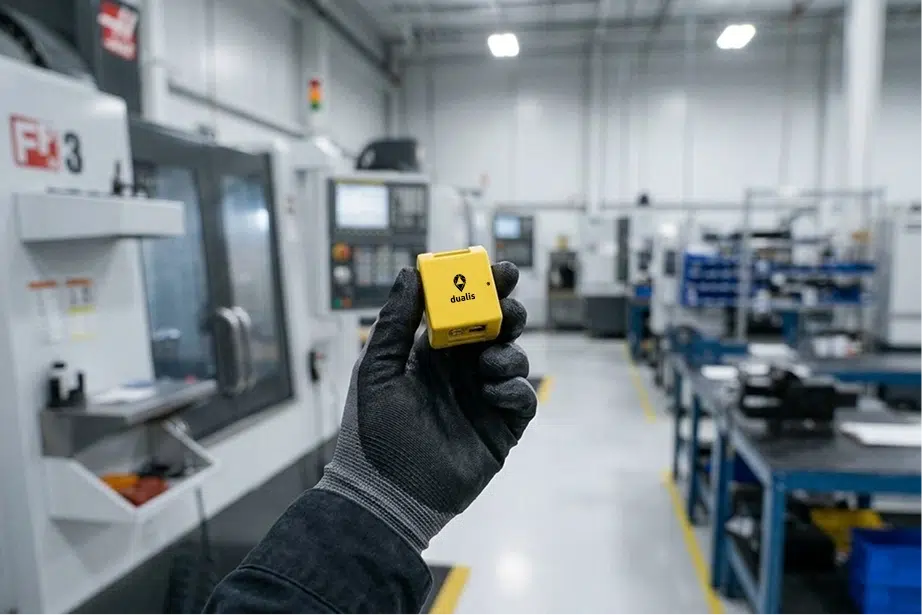
1. Asset and Equipment Tracking
Hazardous areas contain significant concentrations of high-value assets. Tools, portable equipment, specialist instruments, mobile machinery, and operational materials all move through classified zones as part of daily workflows. When these items are difficult to locate, the result is wasted time, slower operations, and increased risk of loss or misuse.
Intrinsically safe asset tracking with the ATEX Family brings the same real-time visibility available in standard areas into classified zones. Teams can locate tagged assets quickly, monitor movement across zones, reduce time spent searching, and maintain stronger accountability over items that are expensive, operationally critical, or safety-relevant.
For facilities where asset loss and underutilization are ongoing operational concerns, this is one of the most immediately measurable benefits of an intrinsically safe RTLS deployment.
2. Emergency Mustering and Headcount Accountability
In a hazardous zone, emergency response depends on knowing who is present, where they are, and whether everyone has reached safety. Traditional mustering processes often rely on manual headcounts, paper-based registers, or radio communication, all of which introduce delay and uncertainty at the worst possible moment.
With the Litum ATEX Gateway and ATEX Dualis Tag deployed across classified hazardous zones, organizations can automate emergency mustering in areas where standard connected devices cannot safely operate. During emergencies, the system provides a real-time picture of who is in each zone, who has evacuated, and who may still be unaccounted for. Response teams can act on accurate information rather than estimates, and organizations can demonstrate compliance with emergency response requirements more effectively.
For industries where mustering is a regulatory obligation, including RTLS oil and gas operations, chemical production, and mining, this alone represents a significant operational and safety improvement.
3. Workforce Visibility and Zone Access Control
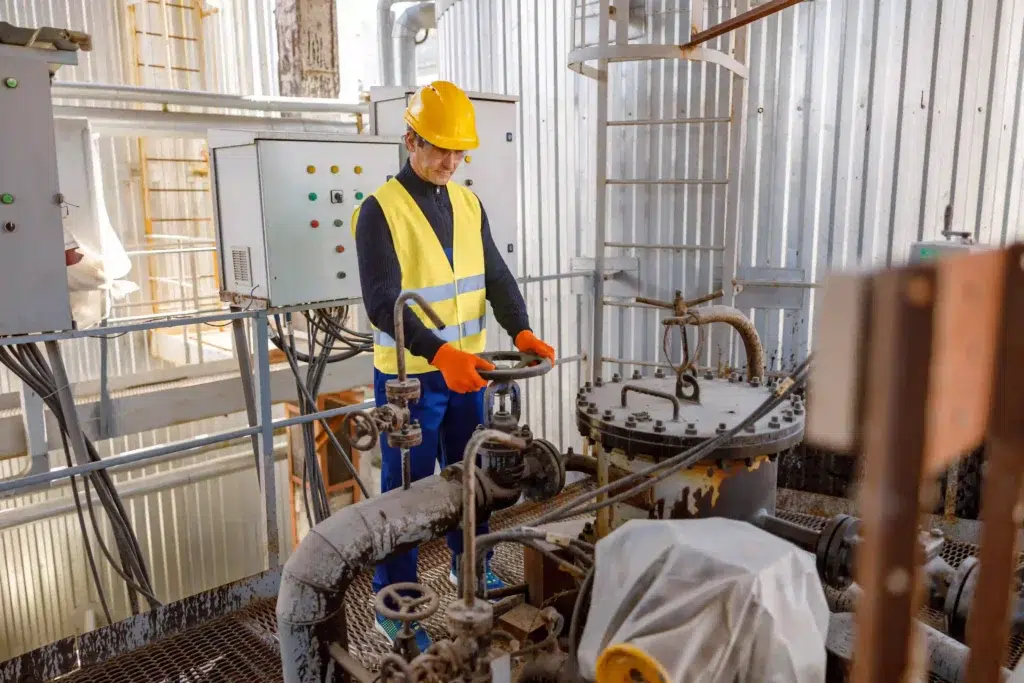
Knowing where workers are across a hazardous area is a continuous operational need, not just an emergency one. Supervisors need to confirm that teams are where they should be. Safety managers need visibility into who is present in classified hazardous areas at any given time. Operations leads need to coordinate workflows that span both standard and high-risk zones.
But hazardous area RTLS extends beyond individual location tracking. Classified zones often have strict entry requirements tied to training, permits, protective equipment, or authorization levels, and knowing whether the right people are in the right areas is as important as knowing where they are.
The ATEX Dualis Tag gives workers a wearable location device that functions safely, even in Zone 1 environments where explosive conditions exist during normal operations, not just in worst-case scenarios. Combined with the ATEX Gateway infrastructure, organizations get a continuous real-time picture of workforce presence and movement across hazardous areas, while also being able to configure zone-based rules that trigger alerts when unauthorized personnel enter restricted areas. This supports permit-to-work processes, creates an auditable record of who entered which zones and when, and integrates with the same Litum platform used across the rest of the facility.
4. Contractor Management
Many hazardous industrial operations rely heavily on contractors for maintenance, inspection, construction, or specialist services. Managing contractor presence in classified zones adds a layer of complexity that standard visitor management processes are not designed to handle.
The ATEX Dualis Tag gives organizations real-time visibility into where contractors are working, whether they are operating within authorized areas, and how long they have been present in specific zones. This supports induction compliance, permit management, and emergency response, while reducing the supervisory burden on in-house teams responsible for contractor oversight.
5. Process Tracking and Operational Flow
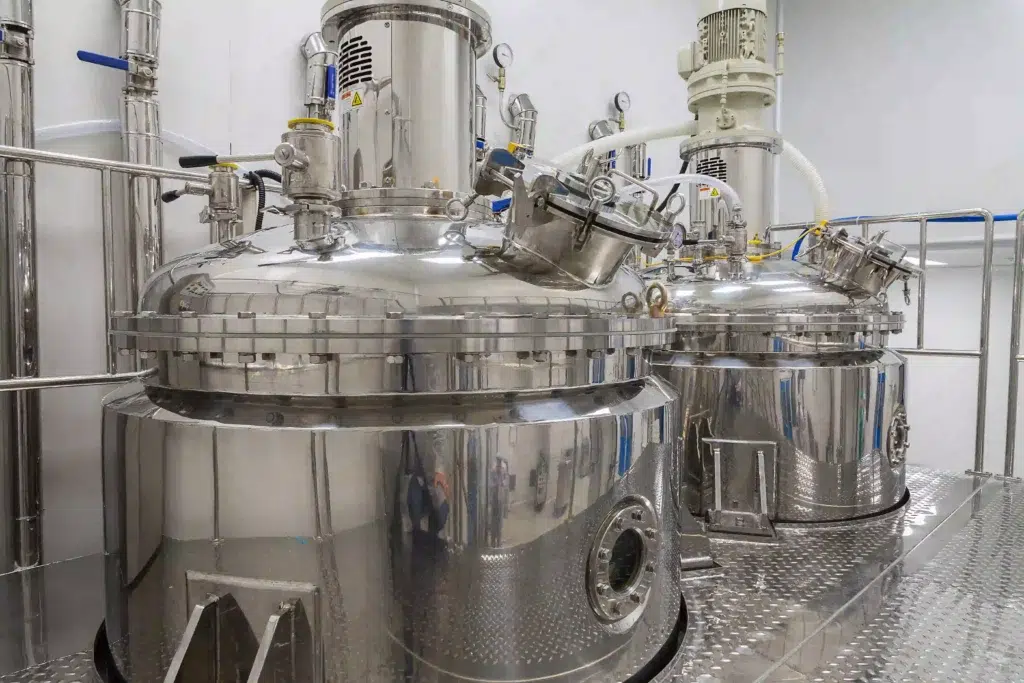
Beyond people and assets, organizations operating in hazardous environments often need visibility into how materials, equipment, and work-in-progress items move through operational processes. Bottlenecks, delays, and misplacements in classified zones can have downstream consequences across the wider facility.
The ATEX Family supports process tracking by giving teams a real-time view of how tagged items move through defined stages and zones. This helps identify where delays occur, supports better coordination across shifts and teams, and connects location data to broader operational performance metrics.
A System Built for the Full Scope of the Challenge
What makes hazardous area RTLS most valuable is not any single use case. It is the ability to address all of these challenges with a single, intrinsically safe system that works safely in the environments where the need is greatest.
The Litum ATEX Family, comprising the ATEX Gateway and ATEX Dualis Tag, is built to do exactly that. If your organization operates in hazardous environments and needs real-time visibility into assets, equipment, tools, materials, or people in classified zones, the ATEX Family was built for that challenge.
Hazardous Area RTLS FAQ
What Is Hazardous Area RTLS?
Hazardous area RTLS is a real-time location system built to operate inside classified zones such as ATEX Zone 1 and Zone 2, where explosive gases, vapors, or combustible dust may be present. Unlike standard RTLS hardware, this kind of system is intrinsically safe and certified for these environments, so organizations can extend the same asset tracking, workforce visibility, and emergency mustering capabilities used elsewhere into the parts of a facility that carry the greatest risk. The Litum ATEX Family, comprising the ATEX Gateway and ATEX Dualis Tag, delivers hazardous area RTLS for Zone 1 and Zone 2 environments.
What Is the ATEX Family?
The Litum ATEX Family is a purpose-built, intrinsically safe hazardous area RTLS solution for hazardous industrial environments. It comprises two devices, the Litum ATEX Gateway and the Litum ATEX Dualis Tag. Together, they extend real-time location visibility into classified hazardous areas where standard connected devices cannot be safely deployed, and integrate with the broader Litum RTLS platform.
What Makes the ATEX Family Different from Standard RTLS Hardware?
Standard RTLS hardware is designed for general industrial, warehouse, or healthcare environments. It is not suitable for classified hazardous areas where explosive gases, vapors, or combustible dust may be present, because standard electronic components, batteries, signals, and heat can create ignition risks. The ATEX Family is specifically designed and certified for these environments, meaning it can be safely deployed in areas where standard devices cannot go.
What Does Intrinsically Safe Mean?
Intrinsically safe equipment is designed to limit electrical and thermal energy within a device, reducing the risk of ignition in areas where explosive gases, vapors, mist, or combustible dust may be present. This is what allows connected hardware to be used in hazardous environments where standard electronic devices may not be suitable. The Litum ATEX Family is built on this intrinsically safe design foundation. While ATEX is a European certification framework, hazardous-area requirements exist globally. For projects outside the ATEX framework, Litum is ready to work with organizations that require other hazardous-area certifications and assess the appropriate path to support their deployment.
What Is Unique About the ATEX Family Compared to Other Intrinsically Safe RTLS Options?
The Litum ATEX Family is the first RTLS hardware family to combine ATEX Zone 1 and Zone 2 suitability with both Ultra-Wideband (UWB) and Bluetooth Low Energy (BLE) location capability, integrated with a full enterprise RTLS platform. UWB delivers high-precision location accuracy. BLE provides flexible, low-power coverage across larger areas. This combination in a single intrinsically safe system is what sets the ATEX Family apart.
Why Does Zone 1 Suitability Matter?
Most intrinsically safe hardware available in the market targets Zone 2, where the certification bar is lower and the environments are less demanding. Zone 1 covers the areas of a facility closest to the source of the hazard, where the risk is present every day. Building hardware that can operate safely in Zone 1 means building for the hardest version of the problem. For organizations managing the most safety-critical parts of their facilities, Zone 1 suitability is not a technical detail. It determines where the hardware can physically and legally go.
Is ATEX Certification Only Relevant for EU Operations?
ATEX is a European certification framework, but the need Litum’s ATEX Family addresses is global. Industrial sites around the world operate in hazardous areas where standard electronic devices may not be suitable, and where intrinsically safe hardware is required to support safer, compliant operations. The ATEX Family was developed for these environments from the ground up, with intrinsically safe design principles. For projects outside the EU, certification requirements may vary by country, site, or industry. In those cases, Litum can review the relevant regional requirements with the customer and assess the appropriate certification path for the deployment.
Does the ATEX Family Integrate with Litum’s Broader RTLS Platform?
Yes. The ATEX Family is designed to integrate with the Litum RTLS platform, allowing organizations to manage visibility across both standard and hazardous areas from a single system. This means teams do not need a separate platform or infrastructure for classified zones. The ATEX deployment extends an existing Litum RTLS investment rather than replacing it.
What Use Cases Does the ATEX Family Support?
As covered above, the ATEX Family supports asset tracking and equipment tracking in classified zones, emergency mustering and headcount accountability, workforce visibility and zone access control, contractor management, and process tracking and operational flow. Beyond these core use cases, it also supports portable gas detector and safety equipment tracking, serialized asset and chain-of-custody management, and maintenance and inspection asset readiness, making it a strong fit for RTLS oil and gas, chemical, pharmaceutical, mining, and heavy manufacturing operations.
How Do I Know if the ATEX Family Is Right for My Facility?
If your facility includes classified hazardous areas where standard connected devices cannot be safely deployed, and you need real-time visibility into people, assets, or equipment in those zones, the ATEX Family is designed for that challenge. The most relevant starting point is a conversation with Litum about your specific zones, use cases, and existing RTLS infrastructure. For more information or to start a conversation about your facility’s requirements, you can visit litum.com or contact the Litum team at [email protected].