


When an emergency strikes a fire, gas leak, or explosion organizations need one thing immediately: confirmation that everyone is safe. That confirmation depends on a reliable emergency mustering process and clearly designated muster points.
Emergency mustering is the structured process of gathering all personnel at safe assembly locations after an evacuation and accounting for every individual on site. In many industries it is a legal requirement. In all industries it is a critical workplace safety practice.
This guide covers what emergency mustering means, what a muster point is, the regulatory requirements, how to set one up, and how RTLS technology modernizes the entire process.
What Is Emergency Mustering?
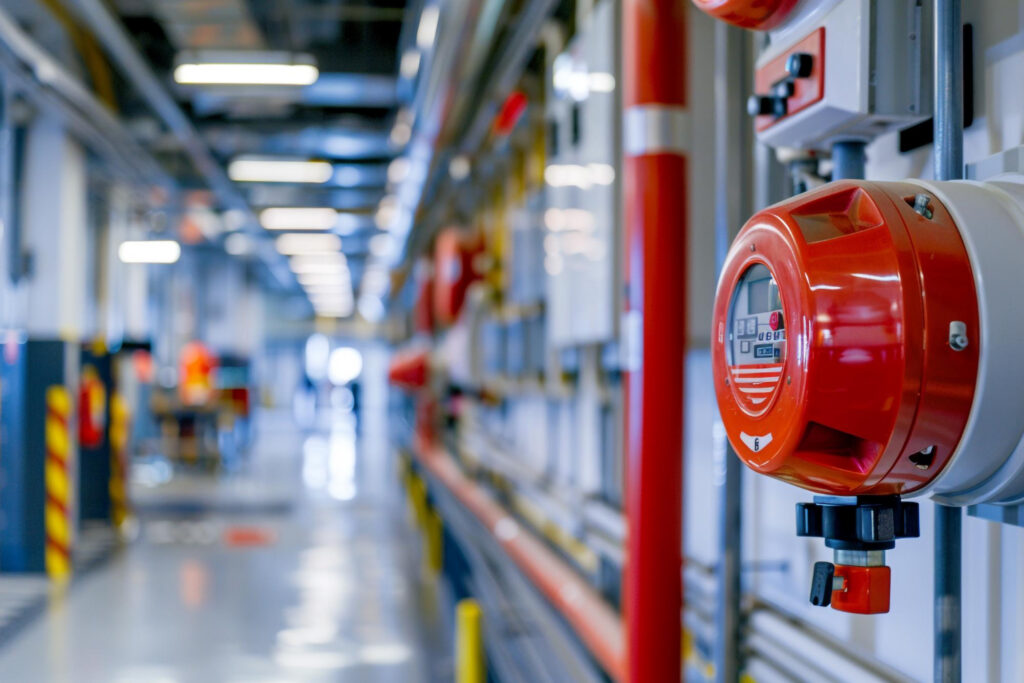
Emergency mustering is the process of gathering all employees, contractors, and visitors at designated muster points following an emergency evacuation, and conducting a headcount to confirm that everyone is accounted for.
The word “muster” means to assemble or call together. In emergency management, mustering is the accountability layer that follows evacuation the process that answers not just “has everyone left the building?” but “is everyone safe?”
A complete emergency mustering process includes:
- Triggering an evacuation alarm and activating the emergency plan
- Personnel evacuating via designated routes to their assigned muster point
- A roll call or headcount confirming all personnel are present
- Identification of any missing individuals and their last known location
- Communication with emergency responders and first responders
- An all-clear declaration or initiation of a search and rescue response
Emergency mustering systems range from paper-based roll calls to fully automated RTLS mustering platforms that deliver real-time headcounts without any manual process.
Emergency Mustering vs. Evacuation: Key Difference
Evacuation is the process of leaving a hazardous area. Emergency mustering is the accountability process that follows. Both are essential, but mustering is what confirms the evacuation succeeded and what identifies anyone who did not make it out.
What Are Emergency Mustering Systems?
Emergency mustering systems are technology solutions that automate personnel accountability during emergency situations. They range from access control-based check-in readers at muster stations to full RTLS platforms that track every tagged person in real time. The core function of all emergency mustering systems is the same: replace slow, error-prone manual roll calls with fast, accurate, automated accountability.
What Is a Muster Point?

A muster point also called an assembly point or emergency muster station is a pre-designated location where personnel gather during an emergency. It is positioned at a safe distance from potential hazards, clearly marked with words for signs such as “Assembly Point” or “Emergency Muster Station”, and known to all personnel before an emergency occurs.
Different muster points are typically assigned to different zones, buildings, or departments within a large facility. This reduces congestion, speeds up the headcount, and makes it easier to identify which areas of the site are fully accounted for.
Muster Point vs. Evacuation Route: What Is the Difference?
An evacuation route is the path people take to leave a building or hazard zone. A muster point is the specific destination where they assemble after evacuating. The evacuation route gets people out. The muster point is where accountability happens.
What Should a Muster Point Have?
A properly equipped muster point includes clear signage, enough space for all assigned personnel, a designated warden, an up-to-date attendance list or digital headcount access, a communication device, first aid supplies, and shelter from adverse weather where practical.
For facilities managing contractors and visitors, muster point access control and visitor management procedures must ensure all individuals not just permanent staff are included in the headcount.
Emergency Management and Regulatory Requirements

Emergency mustering is a legal requirement in most jurisdictions. Facility emergency management planning must include muster point locations, headcount procedures, and regular emergency drills. Non-compliance with emergency procedures can result in citations, fines, and increased liability in the event of an incident.
Emergency Preparedness and OSHA Guidelines
In the United States, OSHA’s emergency action plan standard (29 CFR 1910.38) requires employers to establish procedures for accounting for all employees after an evacuation. This includes designated assembly areas, a headcount system, and regular drills. A 2014 study found that a significant proportion of organizations were not meeting basic emergency preparedness training requirements a gap that emergency mustering systems directly address.
Safety Standards by Industry
- Oil and gas: Offshore and onshore operations face strict mustering requirements. The Bureau of Safety and Environmental Enforcement tracks offshore incident statistics that underscore why personnel accountability is critical in this sector.
- Construction: OSHA 29 CFR 1926 requires site-specific emergency plans including muster point locations communicated to all workers.
- Manufacturing: OSHA general industry standards require emergency plans with assembly areas and headcount procedures.
- Healthcare: The Joint Commission requires regular emergency drills. Emergency mustering in healthcare must also account for patients and visitors, creating additional complexity.
How to Set Up a Muster Point

Choosing the Right Location
Key criteria for selecting muster point locations include: at least 50 meters from the building or hazard, accessible from all evacuation routes without crossing hazardous areas, large enough for all assigned personnel, clear of emergency vehicle access routes, and visible under poor conditions such as smoke or darkness.
Site-specific risk assessments should determine exact distances, particularly at facilities with chemical storage, flammable materials, or high-pressure equipment where the safe distance may need to be much greater.
Signage and Communication Plan
Every employee, contractor, and visitor must know where their muster point is before an emergency. Best practices include green assembly point signs at all evacuation routes, muster point locations on all site maps, visitor management briefings on arrival, and regular drills that reinforce routes and locations.
A documented emergency plan should specify muster point locations, headcount responsibilities, escalation procedures, and communication channels for reporting to the incident commander.
Headcount and Accountability Methods
The headcount at the muster point is the core of the process. Options range from manual roll calls, to access control system check-in at muster stations, to fully automated real-time location systems that generate live headcounts with no manual steps.
Visitor and Contractor Management in Mustering

One of the most common gaps in emergency mustering preparedness is incomplete coverage of non-permanent personnel. Employees may be on a roster, but contractors, temporary workers, and visitors are often missing from accountability systems.
Effective visitor management during emergencies requires:
- All visitors and contractors issued a tag or badge that is tracked by the mustering system
- Visitor management systems that maintain a real-time record of who is on site at any given time
- Access control integration that links entry records to the muster list automatically
- Briefing all visitors on muster point locations and evacuation procedures at the point of entry
Electronic visitor management systems that integrate with emergency mustering platforms close this gap automatically. When a visitor badges in, they are added to the live on-site roster. If an emergency occurs, their presence is tracked and their accountability is managed in the same way as any employee.
Physical security and access control system integration also strengthens mustering by ensuring that access control data and muster data are synchronized so the system knows who entered the building and can confirm who has reached the muster point.
Privacy considerations must be addressed when deploying visitor tracking systems. Organizations should establish clear policies on data retention and the scope of location tracking, and communicate these policies to visitors and contractors before they enter the facility.
Traditional vs. Digital Emergency Mustering

Paper-Based Headcount Limitations
Traditional emergency mustering relies on paper lists, verbal roll calls, and manual verification. This approach has well-documented limitations in workplace safety practice:
- Lists are often outdated contractors, shift changes, and visitors may not be captured
- Manual verification is slow a full roll call at a large facility can take 15 to 30 minutes
- Emergency conditions reduce accuracy noise, stress, and poor visibility all degrade manual headcounts
- No visibility into where unaccounted individuals were last seen, which delays search and rescue
- Paper and clipboards can be lost, damaged, or left inside the evacuated building
How RTLS Automates Emergency Mustering
Digitized mustering automates facility evacuations by replacing manual processes with real-time location data. Each person wears a tag or badge and during an emergency the system automatically generates a live headcount, shows the last known location of any unaccounted individual, updates continuously as people arrive at the muster point, sends instant alerts to security and emergency management teams, and creates time-stamped reports for compliance management.
The result is a headcount that takes seconds rather than minutes, with full tracking and accountability for every person on site. For connected worker safety programs, RTLS mustering is part of a broader platform that also covers lone worker protection, zone compliance, and daily safety monitoring.
Benefits of RTLS Emergency Mustering Systems

Key Features and Benefits
The benefits of deploying an RTLS-based emergency mustering system extend beyond faster headcounts. Key features and outcomes include:
- Employee safety: Every person on site is accounted for in real time, not just those on a static list
- Compliance management: Automated records of every emergency mustering event support regulatory reporting and audit readiness
- Emergency preparedness: Regular drills can be conducted and measured against real data, identifying gaps before they matter
- Reduced response time: Emergency responders receive the last known location of any missing individual immediately, not after a manual search
- Scalable across facilities: The same platform manages different muster points across multiple buildings or campuses
- Integration with existing systems: Works alongside access control systems, visitor management systems, and HR databases
These benefits are particularly significant in high-risk industries where the consequences of a failed muster a missing worker not identified for 30 minutes during a chemical emergency can be catastrophic.
How Litum’s RTLS Improves Emergency Mustering

Litum’s emergency mustering solution is built for environments where manual mustering breaks down large industrial sites, multi-zone facilities, and operations with mixed workforces of employees, contractors, and visitors.
Mustering System Features
- Automatic headcount: Live, accurate personnel count at the muster point with no manual steps
- Last known location: Unaccounted individuals’ last position displayed on a digital map for emergency responders
- Visitor and contractor coverage: Anyone issued a tag is tracked not just permanent employees
- Real-time alerts: Security and emergency management teams receive instant notifications with location data
- Compliance reports: Every emergency mustering event is logged with timestamps for regulatory compliance
- Access control integration: Seamless integration with physical access control systems keeps the muster list synchronized with who is actually on site
Security and System Reliability
The system uses BLE beacon technology built into ID badges, detectable up to 50 meters by tablets or smartphones. It operates on a cloud server supported by GSM technology guaranteeing performance even during power outages or network failures.
The same RTLS backbone supports asset tracking, lone worker safety, and forklift tracking all on shared infrastructure without separate systems for each use case.
Frequently Asked Questions
What is Emergency Mustering?
Emergency mustering is the structured process of gathering all employees, contractors, and visitors at designated muster points following an emergency evacuation and conducting a headcount to confirm that everyone is accounted for. It is the accountability layer that follows evacuation confirming not just that people left the building, but that every individual is safe. Emergency mustering is required by OSHA and similar regulatory frameworks in most jurisdictions.
What is the emergency mustering system?
An emergency mustering system is a solution manual, digital, or automated that organizations use to account for all personnel during an emergency. Manual systems rely on paper lists and verbal roll calls. Digital emergency mustering systems use access control check-ins, RFID badges, or RTLS technology to automate the headcount. The most advanced systems provide real-time location data for every person on site, last-known-location tracking for unaccounted individuals, and instant alerts to emergency management teams.
What does ’emergency muster’ mean?
An emergency muster is the assembly of all personnel at designated muster points following an emergency evacuation. The term combines ’emergency’ a critical incident requiring immediate response with ‘muster’ the act of gathering for inspection or roll call. An emergency muster confirms that everyone has evacuated safely and identifies any individuals who are missing, enabling emergency responders to act without delay.
What is e-Mustering?
e-Mustering, or electronic mustering, refers to digital emergency mustering systems that replace paper-based roll calls with automated, technology-driven accountability. This includes RTLS-based systems that track personnel location in real time, access control systems that log presence at muster points, and cloud-based emergency management software that generates instant headcount reports during an emergency. e-Mustering reduces accountability time from minutes to seconds and eliminates the errors inherent in manual processes.
What is a muster point drill?
A muster point drill is a scheduled practice exercise in which all personnel evacuate to their designated muster point and complete the headcount process as they would in a real emergency. Drills verify that staff know their evacuation routes, test the speed and accuracy of the headcount system, and satisfy OSHA and regulatory requirements for emergency preparedness testing. In high-risk industries such as oil and gas, drills may be required quarterly or more frequently. Drills also reveal gaps in evacuation procedures before a real emergency exposes them.
How far should a muster point be from a building?
Most health and safety guidance recommends a minimum of 50 meters from the building or hazard in standard industrial settings. For facilities with chemical storage, flammable materials, or high-pressure equipment, the safe distance may need to be significantly greater. The exact distance should be determined through a site-specific risk assessment that considers the nature of the hazard, wind direction, and facility layout.
See How Litum Automates Emergency Mustering. Explore Litum’s emergency mustering solution and see how real-time location data replaces manual roll calls with automatic, accurate headcounts across multi-zone facilities.